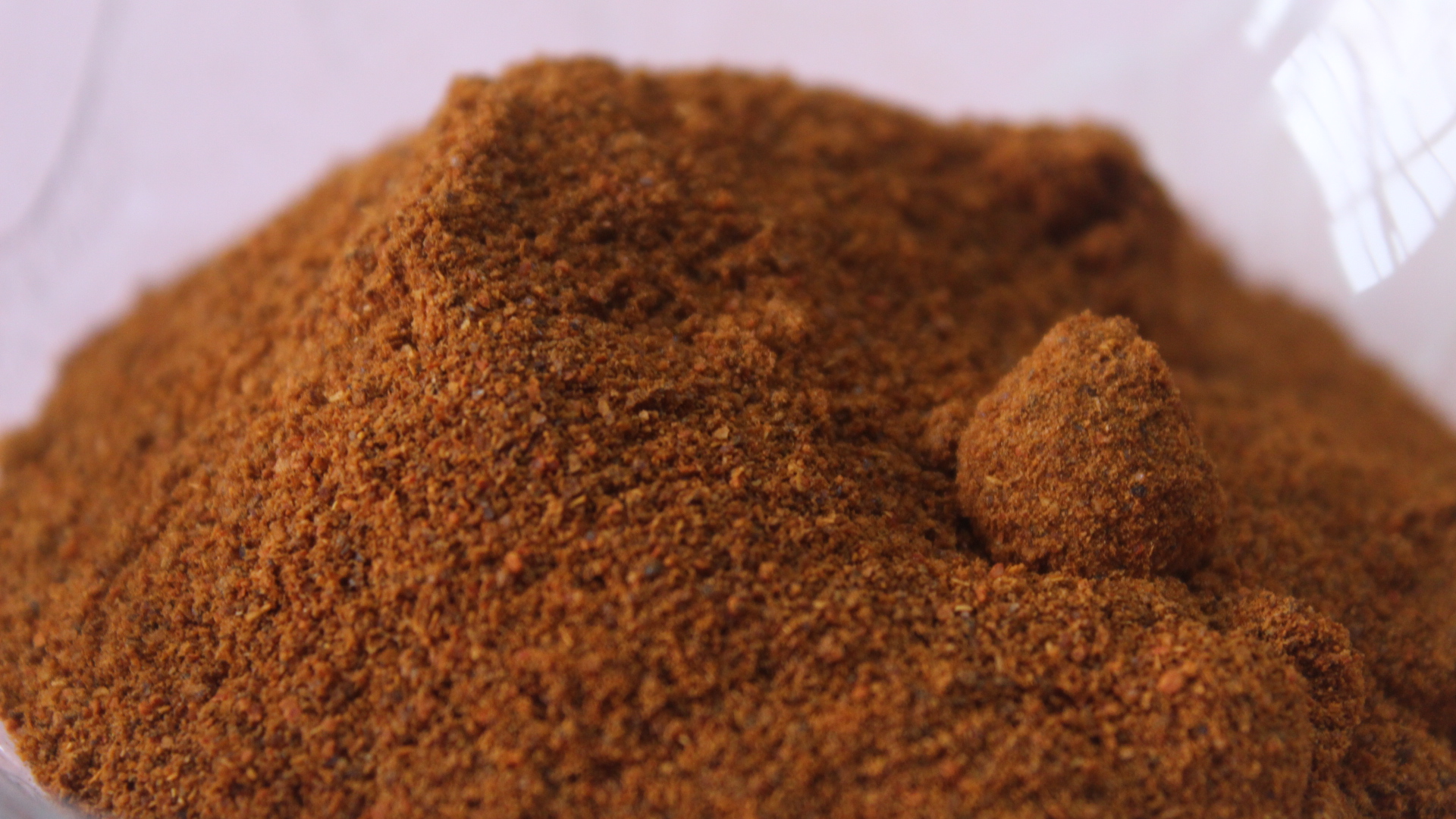
Indian spices have been valued for their medicinal properties for over 5,000 years. Modern research now confirms what Ayurvedic practitioners have long known — these aromatic ingredients do far more than enhance flavour. Here's an evidence-based look at how organic spices can improve your daily health.
Why Spices Matter for Health
Spices are among the most concentrated sources of bioactive plant compounds found in the human diet. According to a comprehensive review published in the Journal of AOAC International, many common culinary spices contain higher levels of antioxidants per gram than fruits and vegetables [1]. This means that even the small quantities used in cooking can have a measurable impact on overall antioxidant intake.
The key distinction with organic spices is purity. Conventionally grown spices may be treated with synthetic pesticides, fumigated with ethylene oxide, or irradiated for preservation. Organic spices are cultivated without synthetic chemicals, preserving their natural phytochemical profile and reducing your exposure to potentially harmful residues.
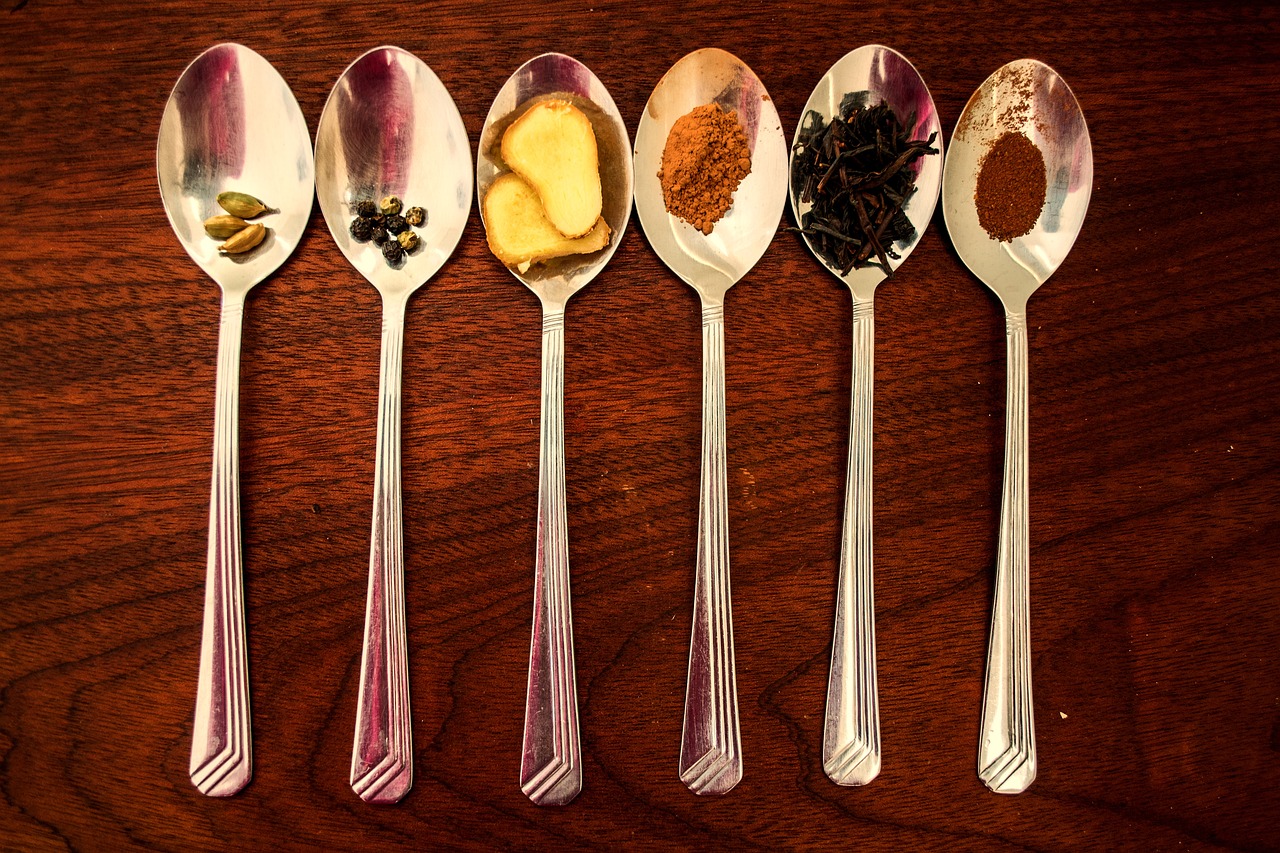
Five Spices Backed By Science
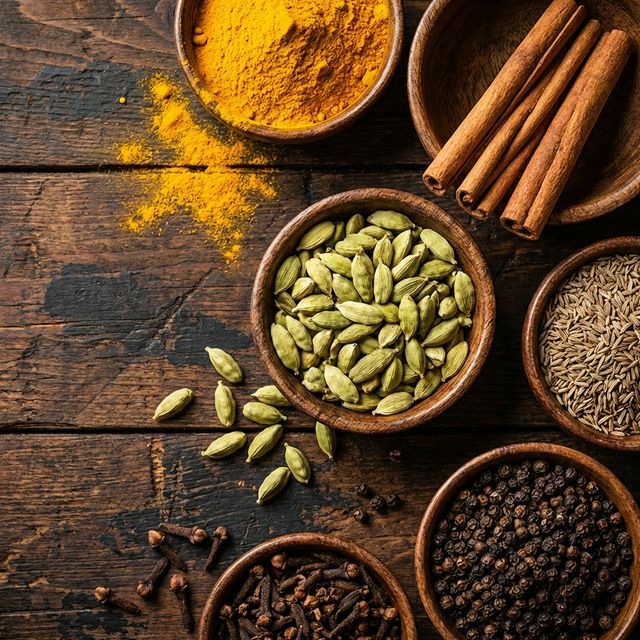
While dozens of spices offer health benefits, these five stand out for having robust scientific evidence supporting their use:
🟡 Turmeric (Haldi)
Contains curcumin, which has strong anti-inflammatory and antioxidant effects. A 2017 systematic review found curcumin may help manage inflammatory conditions, metabolic syndrome, and exercise-induced muscle soreness [2].
⚫ Black Pepper (Kali Mirch)
Piperine, its active compound, boosts curcumin absorption by up to 2,000%. It also supports digestive enzyme activity and has demonstrated antioxidant properties in laboratory studies [3].
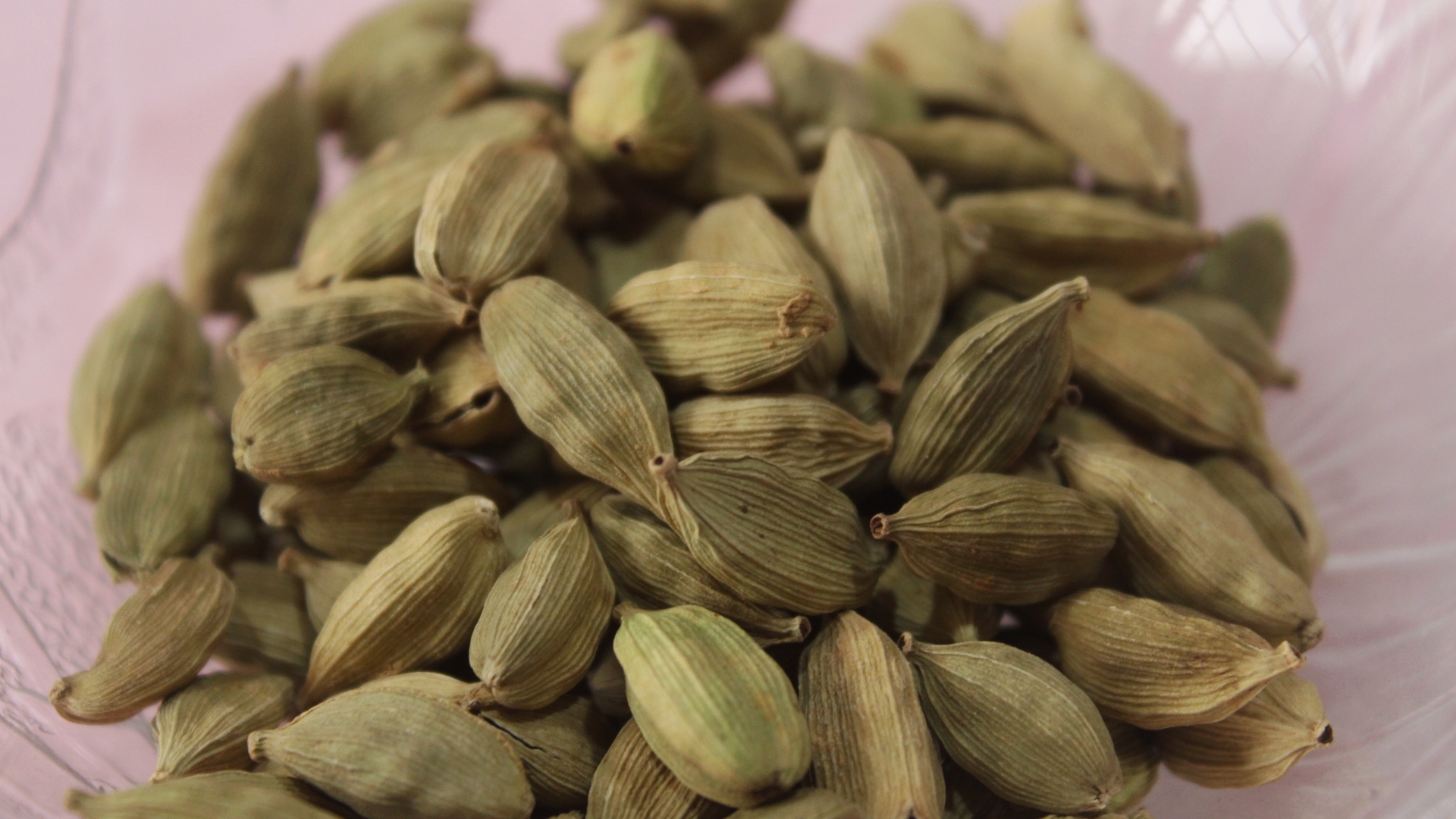
🟢 Cardamom (Elaichi)
Rich in volatile oils like 1,8-cineole. Research published in the Indian Journal of Biochemistry & Biophysics suggests cardamom may help maintain healthy blood pressure levels [4].
🟤 Cinnamon (Dalchini)
Contains cinnamaldehyde and polyphenols. A meta-analysis in the Journal of Medicinal Food found that cinnamon supplementation may support healthy fasting blood glucose levels [5].
🫘 Cumin (Jeera)
A good source of iron and thymoquinone. Studies suggest cumin may promote healthy digestion by stimulating pancreatic enzyme secretion and supporting bile production [6].
Why Choose Organic Over Conventional
The difference between organic and conventional spices goes beyond farming methods. According to India's National Programme for Organic Production (NPOP), organic spices must be grown without synthetic pesticides, GMOs, or artificial fertilizers, and they must follow sustainable crop rotation practices.
A study in the Journal of Agricultural and Food Chemistry found that organically grown herbs and spices had significantly higher concentrations of phenolic compounds compared to their conventionally grown counterparts [7]. These phenolic compounds are directly linked to antioxidant capacity — meaning organic spices may deliver a stronger health benefit gram for gram.
At MK IMPEX, every spice we source is carefully selected from farmers who follow chemical-free cultivation practices and traditional harvesting methods.
Simple Ways to Use Spices Daily
You don't need to be a gourmet cook to enjoy the benefits of these spices. Here are practical, everyday ways to include them:
💡 Quick Daily Tips
- Morning: Add ¼ teaspoon of turmeric and a pinch of black pepper to your breakfast smoothie, scrambled eggs, or warm milk
- Cooking: Toast whole cumin seeds in oil before adding vegetables — it releases volatile oils that aid digestion
- Tea time: Brew chai with crushed cardamom, cinnamon bark, and a few peppercorns for a warmer with real health benefits
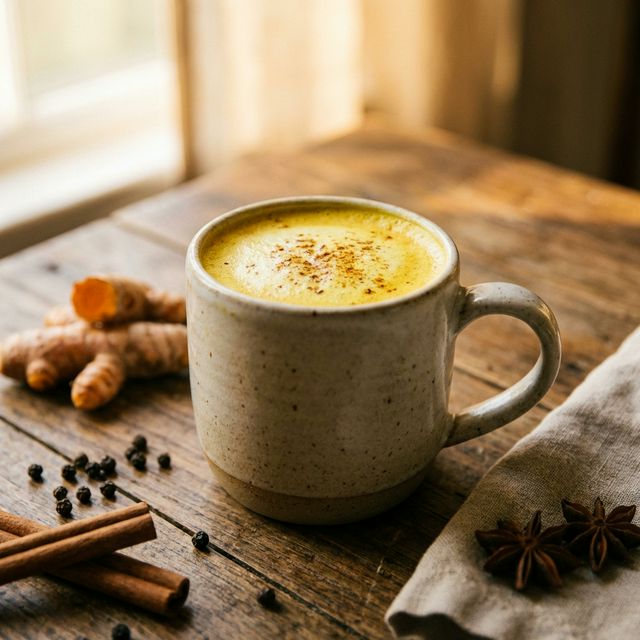
- Evening: Make golden milk by simmering ½ tsp turmeric, a pinch of black pepper, and a cinnamon stick in warm milk
- Seasoning: Keep a jar of mixed spice powder (cumin, coriander, turmeric, pepper) by your stove for quick everyday use
The Bigger Picture
Choosing organic spices isn't just a personal health decision — it supports farming communities across India who practise sustainable agriculture. India produces over 75 varieties of spices and accounts for nearly 48% of global spice exports, according to the Spices Board of India. By choosing organic, consumers help sustain traditional farming knowledge and encourage environmentally responsible agricultural practices.
At MK IMPEX, we work directly with farming communities to ensure fair pricing and sustainable practices. When you choose our products, you're investing in both your health and the livelihoods of Indian farmers.
📚 Sources & References
- Carlsen, M.H. et al. (2010). "The total antioxidant content of more than 3100 foods, beverages, spices, herbs and supplements used worldwide." Nutrition Journal, 9(1), 3. doi:10.1186/1475-2891-9-3
- Hewlings, S.J. & Kalman, D.S. (2017). "Curcumin: A Review of Its Effects on Human Health." Foods, 6(10), 92. doi:10.3390/foods6100092
- Butt, M.S. et al. (2013). "Black Pepper and Health Claims: A Comprehensive Treatise." Critical Reviews in Food Science and Nutrition, 53(9), 875–886.
- Verma, S.K. et al. (2009). "Blood pressure lowering, fibrinolysis enhancing and antioxidant activities of cardamom." Indian Journal of Biochemistry & Biophysics, 46, 503–506.
- Allen, R.W. et al. (2013). "Cinnamon use in type 2 diabetes: an updated systematic review and meta-analysis." Annals of Family Medicine, 11(5), 452–459.
- Srinivasan, K. (2018). "Cumin (Cuminum cyminum) and black cumin (Nigella sativa) seeds: traditional uses, chemical constituents, and nutraceutical effects." Food Quality and Safety, 2(1), 1–16.
- Lester, G.E. et al. (2007). "Organic vs conventionally grown produce: mineral, vitamin, and phenolic content." Journal of Agricultural and Food Chemistry.